
Table of Contents
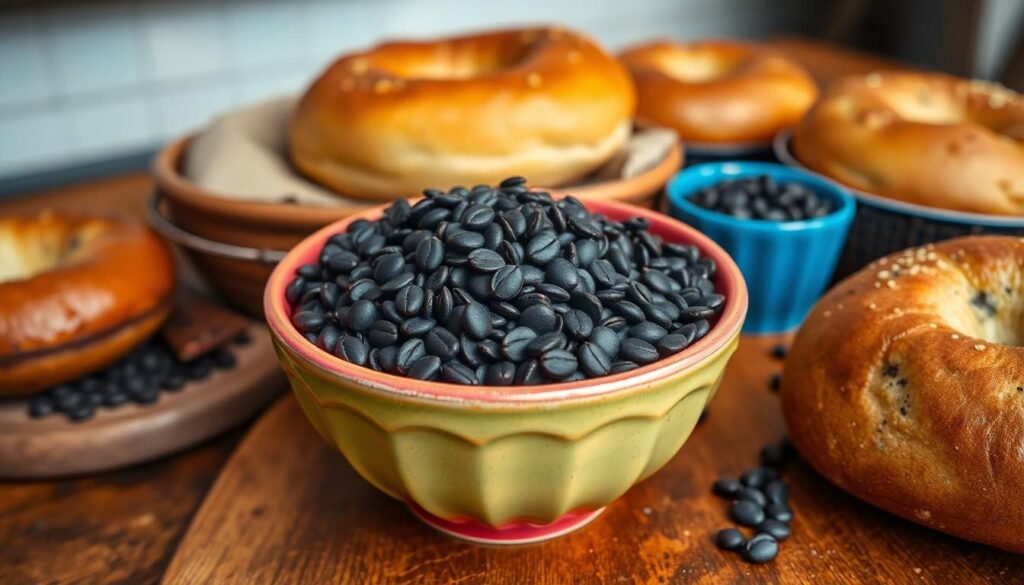
TogglePoppy seeds might be tiny, but they pack a powerful punch when it comes to nutrition. These little black seeds, often sprinkled on bagels or mixed into baked goods, are more than just a pretty garnish. They’re a treasure trove of essential nutrients that can elevate any dish while delivering a health boost. Who knew that something so small could be so mighty?
Overview of Poppy Seed Nutrition
Poppy seeds pack a variety of essential nutrients in a small package. High in healthy fats, they contain approximately 41 grams of fat per 100 grams, with a significant portion being polyunsaturated fatty acids. These fats support cardiovascular health and help maintain healthy cholesterol levels.
Protein content also stands out, with poppy seeds providing about 18 grams of protein per 100 grams. Protein contributes to muscle repair and growth, making poppy seeds a valuable addition to a balanced diet.
Carbohydrates play a role as well, with around 28 grams per 100 grams. This complex carbohydrate aids in providing sustained energy, making them an excellent choice for snacks or meal toppings.
Fiber content is notable too, with approximately 19 grams in a 100-gram serving. Fiber promotes digestive health and contributes to a feeling of fullness, which can assist in weight management.
Calcium and iron, both crucial for bone health and oxygen transport, are present in significant amounts. Poppy seeds offer about 1,400 mg of calcium per 100 grams and 9 mg of iron, providing essential minerals that support various bodily functions.
Antioxidants found in poppy seeds, such as tocopherols and phenolic compounds, contribute to overall health. They help combat oxidative stress and reduce inflammation, potentially lowering the risk of chronic diseases.
Overall, poppy seeds serve as a nutrient-dense food that adds flavor and texture while delivering numerous health benefits. Incorporating them into the diet can enhance both nutrition and taste in various culinary applications.
Nutritional Profile of Poppy Seeds
Poppy seeds offer a robust nutritional profile, enhancing both flavor and health benefits. Packed with essential nutrients, they contribute significantly to a balanced diet.
Macronutrients
Poppy seeds contain approximately 41 grams of fat per 100 grams, primarily from polyunsaturated fatty acids. Protein content reaches about 18 grams per 100 grams, supporting muscle repair and development. Complex carbohydrates in poppy seeds offer about 28 grams, providing energy for daily activities. Fiber represents approximately 19 grams per 100 grams, promoting digestive health and aiding in weight management.
Micronutrients
Calcium and iron stand out among micronutrients in poppy seeds. With about 1,400 mg of calcium per 100 grams, poppy seeds bolster bone health significantly. Iron content reaches about 9 mg per 100 grams, enhancing oxygen transport in the body. Antioxidants found in poppy seeds, including tocopherols and phenolic compounds, combat oxidative stress and may reduce inflammation. These qualities contribute to the potential lowering of chronic disease risk.
Health Benefits of Poppy Seed Nutrition
Poppy seeds provide numerous health benefits due to their rich nutritional profile. Incorporating them into a balanced diet can enhance overall well-being.
Antioxidant Properties
Antioxidants play a crucial role in health, and poppy seeds offer a wealth of these compounds. Tocopherols and phenolic compounds found in poppy seeds help protect against oxidative stress. Reducing oxidative stress can lower inflammation and decrease the risk of chronic diseases. Consuming these seeds regularly offers a natural way to boost one’s antioxidant intake.
Heart Health Support
Poppy seeds contribute positively to heart health by supplying healthy fats. With approximately 41 grams of fat per 100 grams, most of these fats are polyunsaturated fatty acids. These types of fats support cardiovascular function and help maintain healthy cholesterol levels. Also, the magnesium content in poppy seeds assists in regulating blood pressure. Regular consumption promotes a heart-healthy diet.
Digestive Health
Digestive health benefits significantly from the fiber content in poppy seeds. Each 100 grams contains about 19 grams of dietary fiber, which aids in bowel regularity. Including fiber-rich foods such as poppy seeds can help maintain a healthy gut. Furthermore, their complex carbohydrates provide sustained energy devoid of spikes in blood sugar. Incorporating them into meals can improve overall digestive wellness.
Culinary Uses of Poppy Seeds
Poppy seeds feature prominently in various culinary applications, adding both flavor and texture. Commonly found in baked goods, they enhance bread, muffins, and pastries with a nutty taste. They act as a delightful garnish on bagels, creating an appealing visual and flavorful contrast.
In savory dishes, poppy seeds often enrich salads and dressings, providing a subtle crunch. They mix well with spices and herbs in spice blends, notably in Indian cuisine, where they serve as a base for rich gravies and sauces. Poppy seeds frequently appear in seed mixes and homemade granola, boosting nutritional content.
Desserts benefit from the presence of poppy seeds, especially in cakes and cookies. They complement ingredients like lemon and almond, enriching flavor profiles. Additionally, poppy seeds play a role in traditional dishes, such as Eastern European pastry fillings.
Cooking techniques with poppy seeds include toasting them lightly to intensify their flavor. This practice enhances their natural aroma, making them a versatile ingredient. A quick sprinkle of poppy seeds on vegetable stir-fries can introduce a satisfying crunch and visual appeal.
For nutrition-focused meals, incorporating poppy seeds into smoothies or yogurt can elevate both taste and health benefits. They blend seamlessly into recipes, providing healthy fats and protein. Using poppy seeds creatively in various cuisines can transform simple dishes into nutrient-dense meals.
Globally, unique uses of poppy seeds highlight their versatility, with every culture leveraging their potential. From traditional uses in Asian dishes to modern applications in Western cooking, poppy seeds continue to find their way into diverse recipes.
Potential Risks and Considerations
Poppy seeds offer many health benefits, yet some risks warrant attention. Allergies pose a significant concern, with some individuals experiencing allergic reactions to poppy seeds. Symptoms can include skin rashes, itching, or gastrointestinal issues. Consulting a healthcare professional is advisable if one suspects an allergy.
Consumption amounts also matter. Though nutritious, excessive intake might lead to digestive discomfort, such as bloating or gas, due to their high fiber content. Moderation is key for enjoying the benefits without adverse effects.
Additionally, poppy seeds can sometimes contain trace amounts of opiates. This stems from the seed’s contact with the opium poppy plant. Drug tests may detect these opiates, leading to false positives. Individuals undergoing drug screening should be cautious about consumption.
Pregnant or breastfeeding individuals should also consider caution. Limited research exists regarding the safety of poppy seeds in these situations. It’s best for them to consult healthcare providers before including poppy seeds in their diet.
Interactions with certain medications might occur, particularly those affecting the central nervous system. Users of such medications should consult their doctors before adding poppy seeds to their meals.
Understanding these risks helps ensure safe consumption. Awareness of potential allergies, moderation in intake, and consultation with a healthcare provider can enhance the dietary benefits of poppy seeds while minimizing any adverse effects.
Poppy seeds are a powerhouse of nutrition that can enhance both meals and overall health. Their rich content of essential nutrients like healthy fats protein and fiber supports various bodily functions. Incorporating poppy seeds into a balanced diet not only adds flavor but also contributes to heart health and digestive well-being.
While they offer numerous health benefits there are considerations to keep in mind regarding allergies and possible interactions with medications. By understanding these factors individuals can enjoy the advantages of poppy seeds safely. Embracing this versatile ingredient can transform everyday dishes into nutrient-dense meals while promoting a healthy lifestyle.


